
Guided Tours & Things to Do in Agra
At AsiaByLocals, discover expert-led tours in Agra hosted by a licensed local guide for Agra and historians. From an Agra tour by guide for Taj Mahal sunrise visits to a comprehensive Agra guided tour, explore the city through authentic, locally curated 1-day itineraries.
Agra is one of India's most visited cities, famous worldwide for the Taj Mahal and its rich Mughal heritage. Beyond the iconic monument, Agra offers a deep cultural experience through historic forts, bustling bazaars, traditional crafts, and local cuisine.
Popular Tours & Experiences in Agra

Book Official Tour Guide for Taj Mahal

Delhi Agra Round Trip By Gatimaan Train With CNF Tickets

From Delhi: Taj Mahal, Agra Same Day Return Tour By Car.
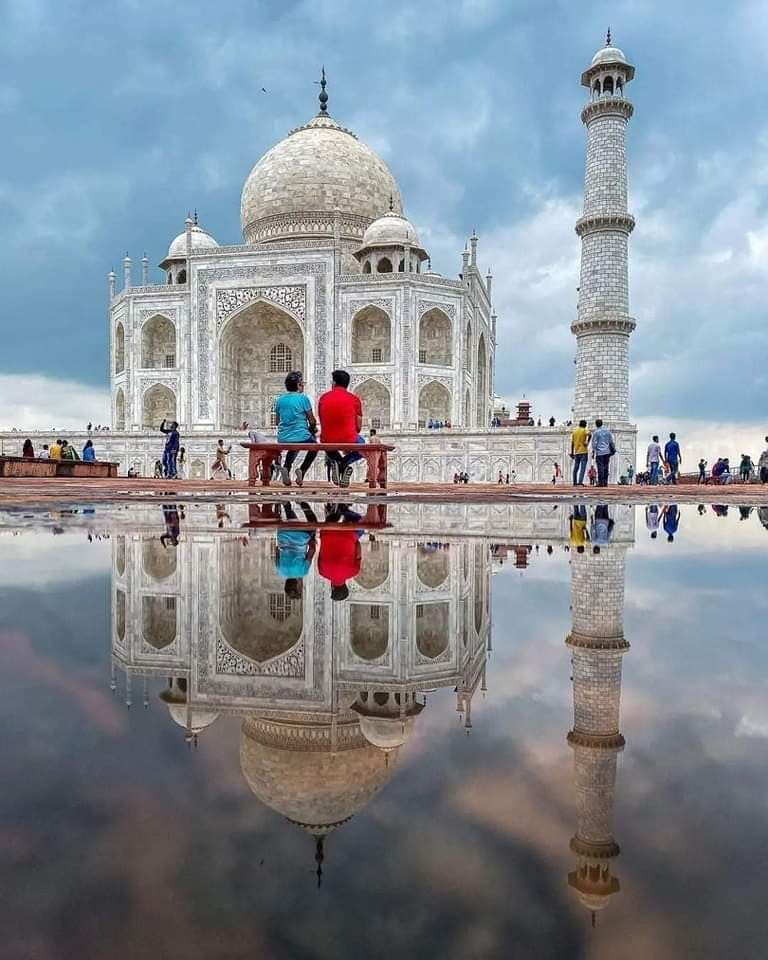
Taj Mahal Sunrise Tour
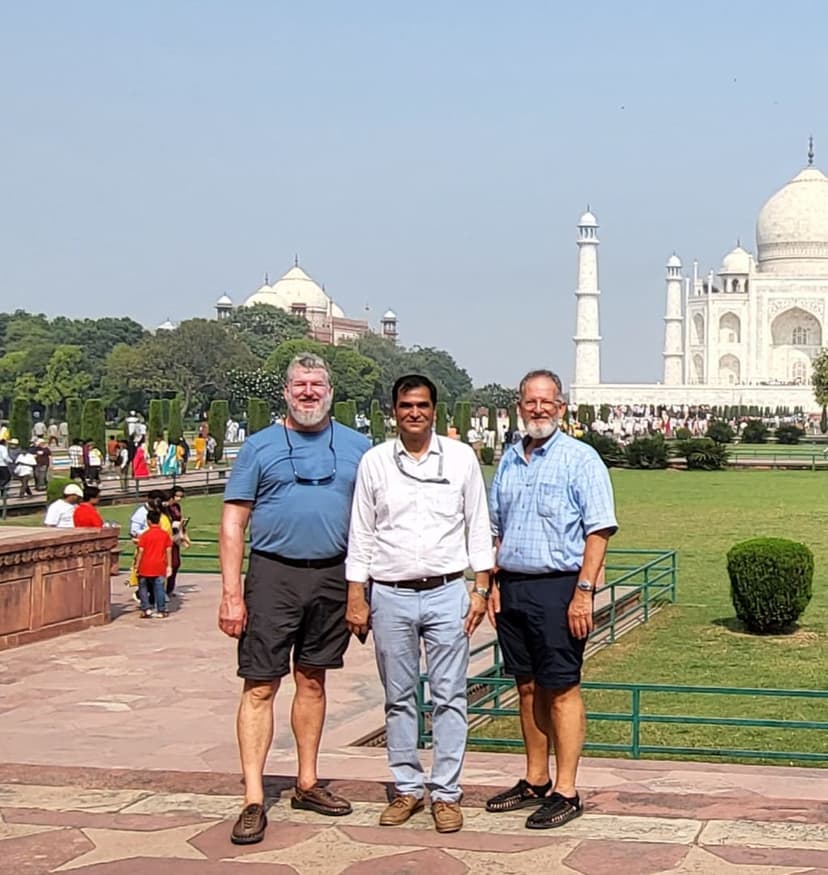
Agra City Highlights Tour
Agra & Fatehpur Sikri Day Trip
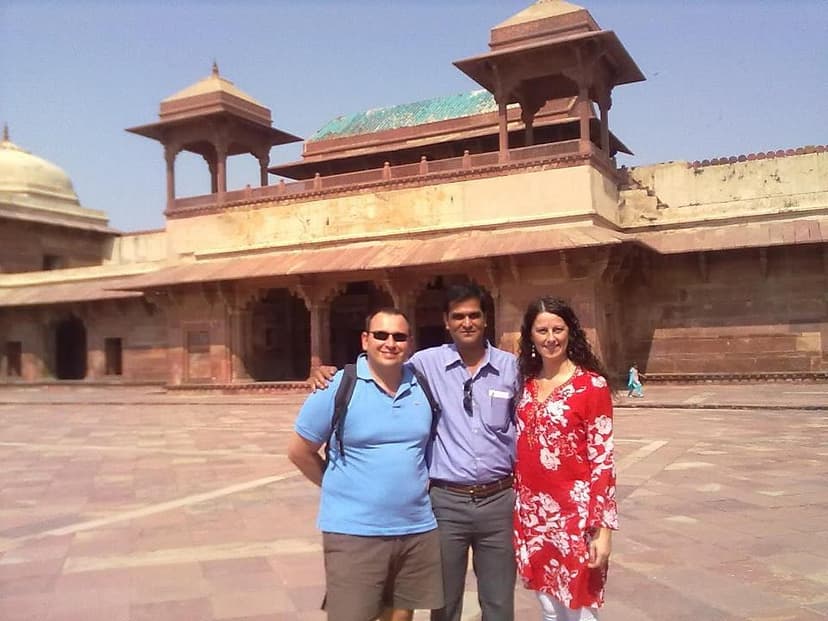
Book Tour Guide for Fatehpur Sikri Visit
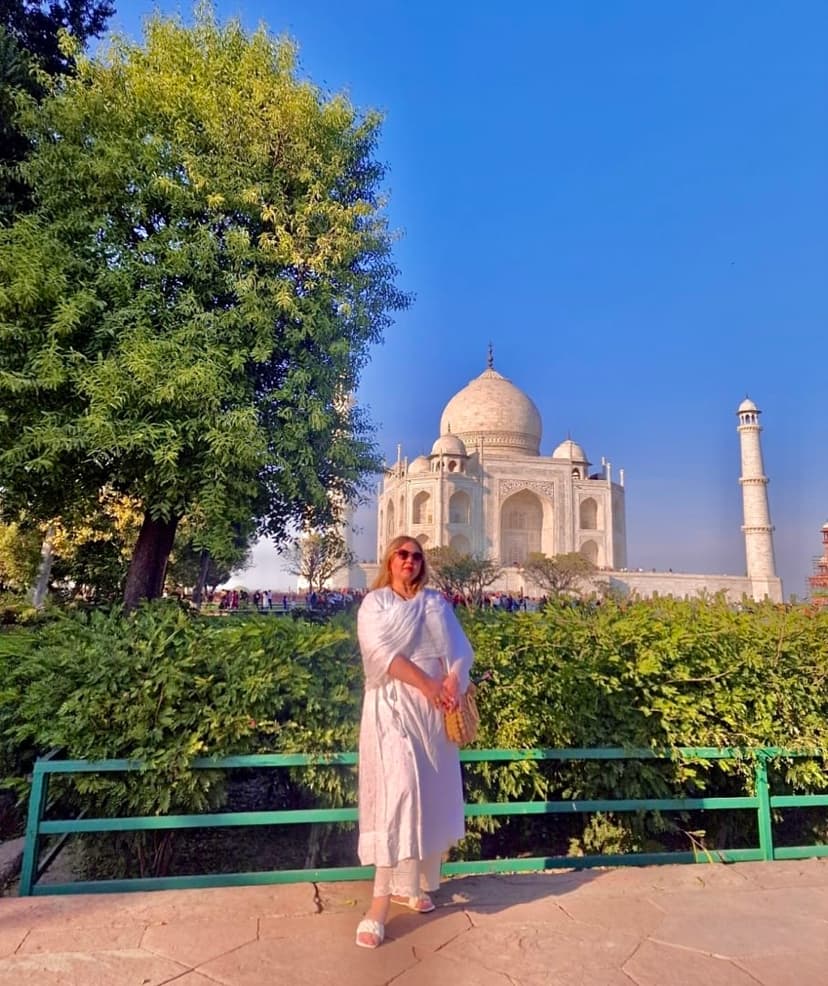
Taj Mahal Sunrise Tour From Delhi By Car
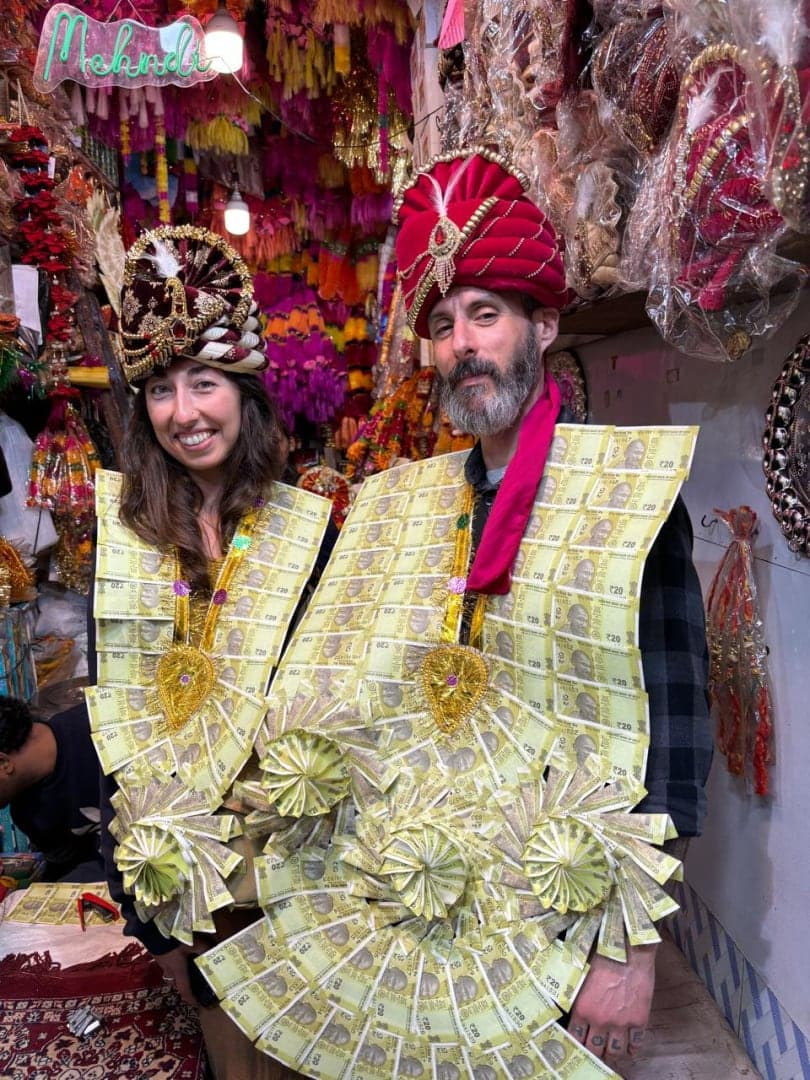
Mysteries of Agra by local
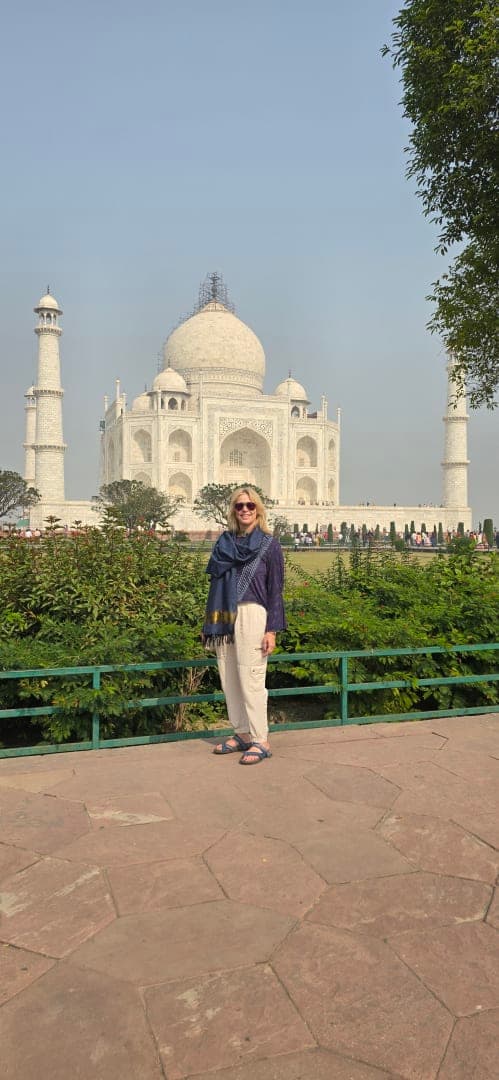
Half-Day Private Taj Mahal Tour: Transportation Options Available

Agra Photography Tour
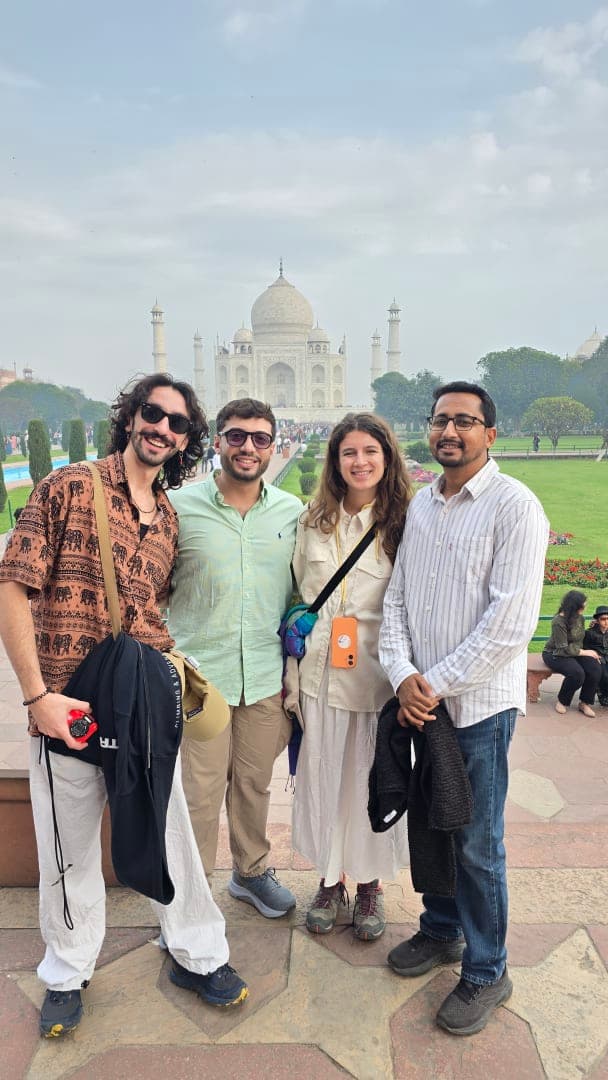
Agra: Agra Fort and Baby Taj Private Tour with Pickup & Drop
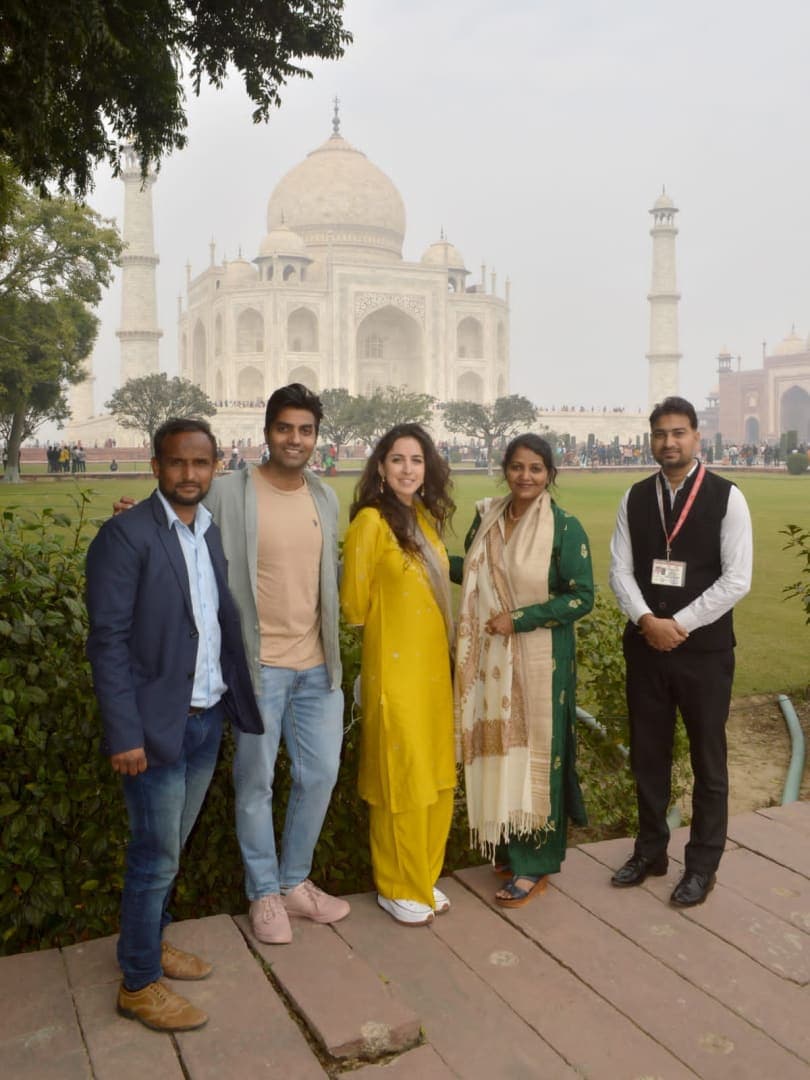
From Delhi: Same Day Taj Mahal & Agra Tour by Private Car with Approved guide

Agra: Taj Mahal Sunrise Photoshoot Tour Experience with Professional Photographer

From Delhi : Same Day Agra Guided Tour
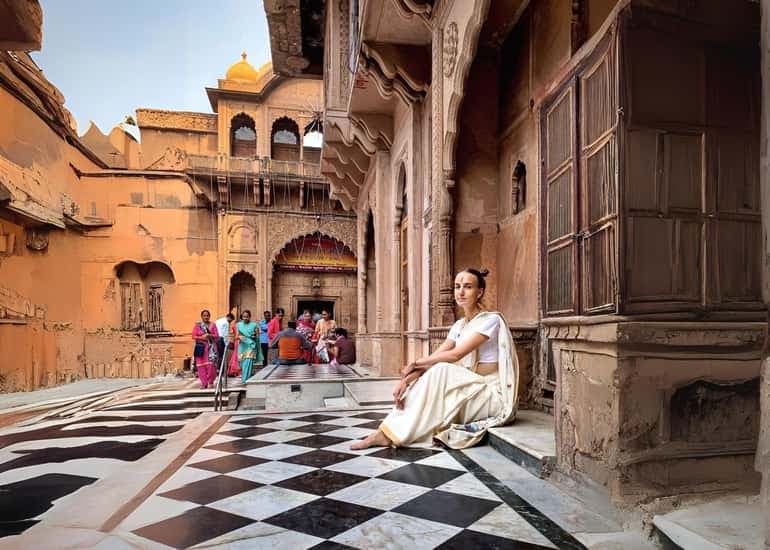
From Delhi: Taj Mahal & Mathura, Vrindavan Private Day Trip
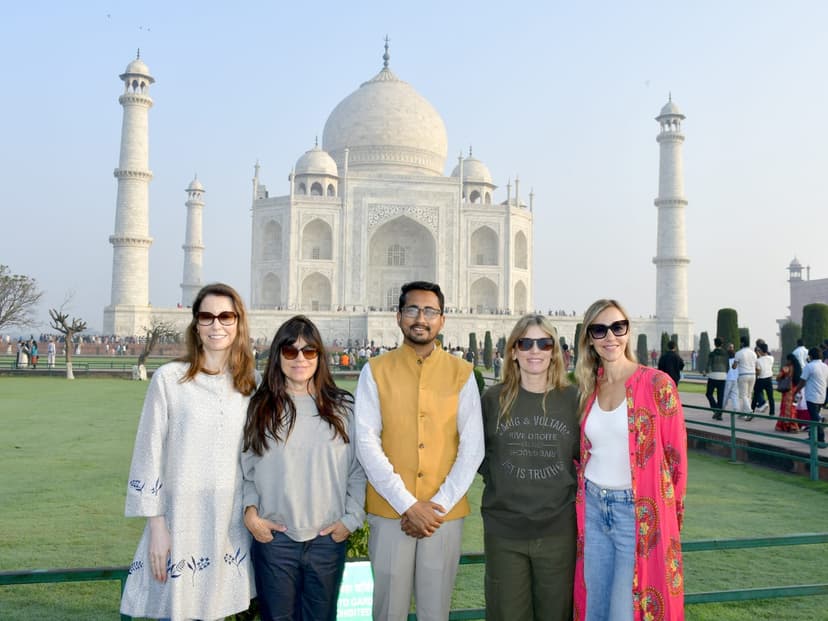
Private Sunrise Taj Mahal & Agra Fort

Explore Agra with a Certified Tour Guide

Skip-the-Line Taj Mahal & Agra Day Tour from Delhi by Gatimaan Express with Guide

From Delhi Taj Mahal Same Day Tour

From Delhi: Sunrise Taj Mahal and Agra Guided Tour by Car with Options

Agra Friday Special Tour – Fort, Baby Taj & Mehtab Bagh Sunset
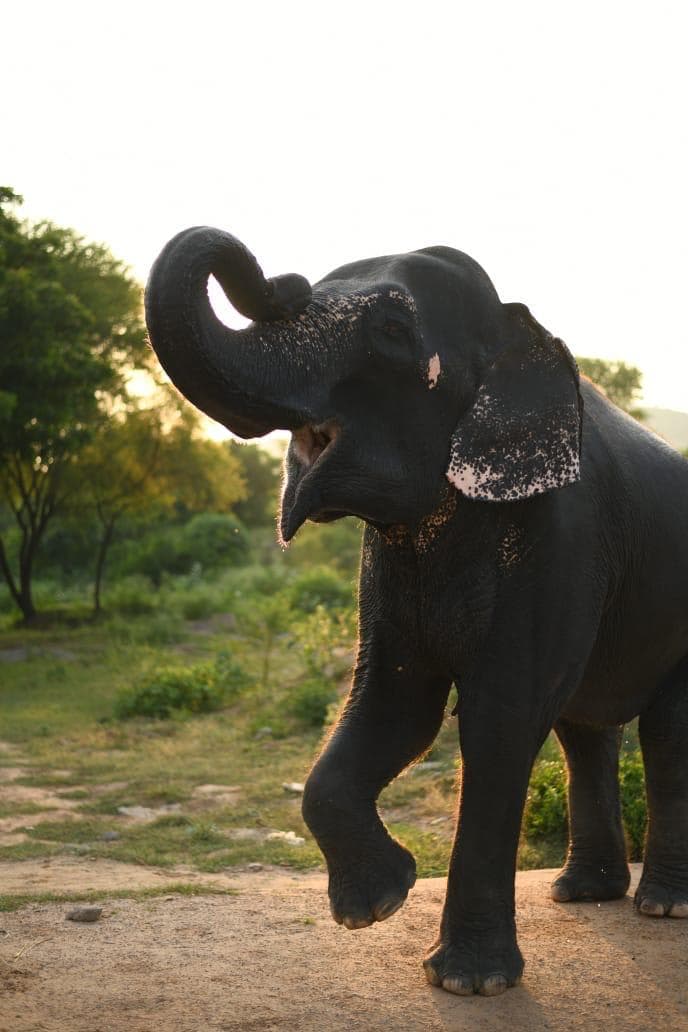
From Agra :- Visit Taj Mahal and Wildlife SoS Conservative and Care Centre
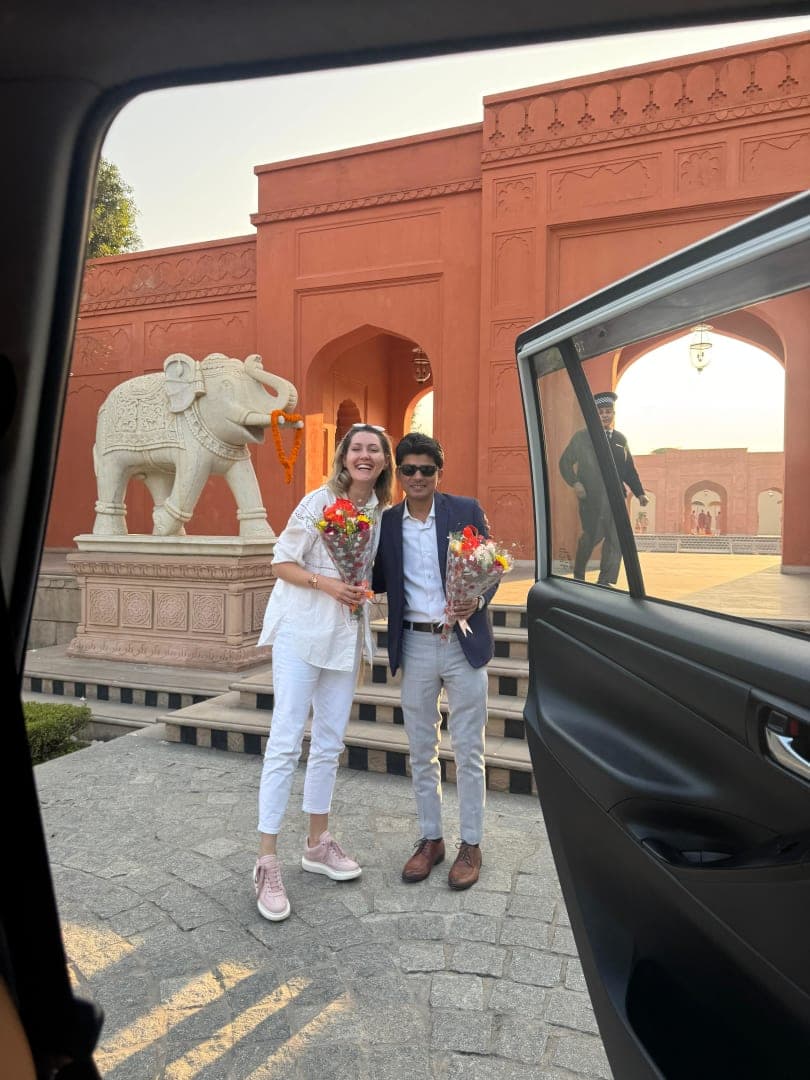
Private Royal Luxury Taj Mahal Tour – Experience Timeless Elegance

Taj Mahal Sunrise Skip-the-Line Tour with Guide
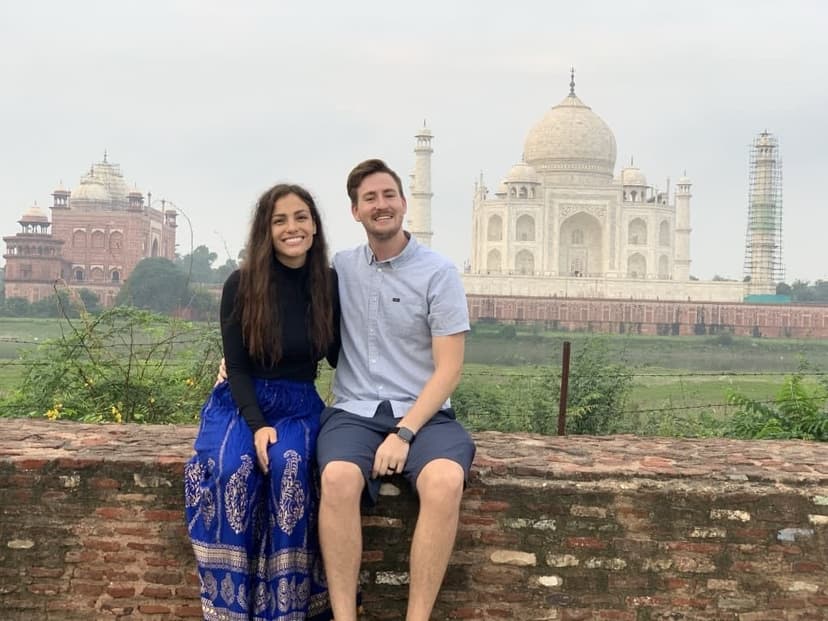
Agra: Taj Mahal Skip-The-Line, Agra Fort, Baby Taj and Mehtab Bagh Tour

Agra same day tour from Delhi by car with baby Taj and lunch
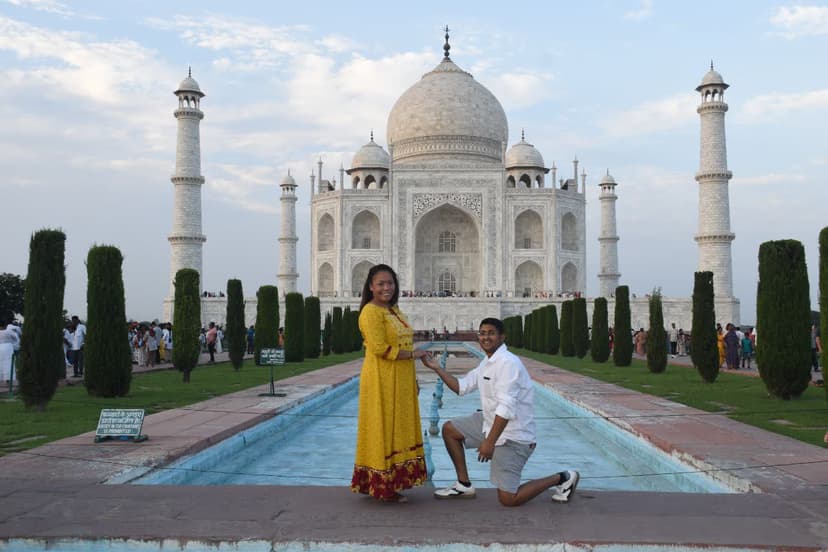
Skip-The-Line Tajmahal Sunrise Tour With Approved Tour Guide

Taj Mahal Photography Tour - with Professional Guide

Taj Mahal Guided Tour From Agra
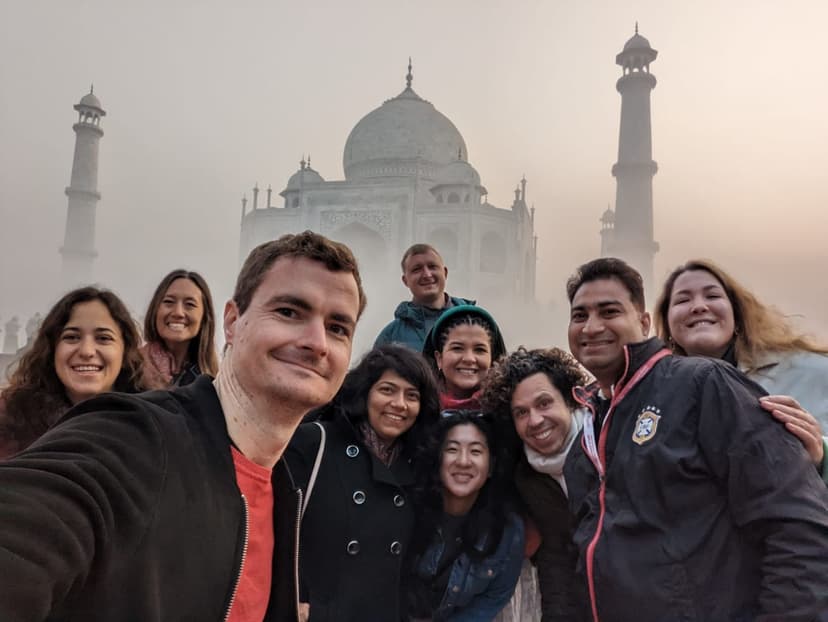
Agra: Skip-the-Line Taj Mahal & Agra Fort Private Tour

Luxury Taj Mahal VIP Tour | Skip-the-Line Entry & Private Guide

Agra Fort, Baby Taj & Mehtab Bagh Sunset Tour | Friday Special Guided Experience"

From Delhi: Taj Mahal & Agra Private Day Trip with Transfers
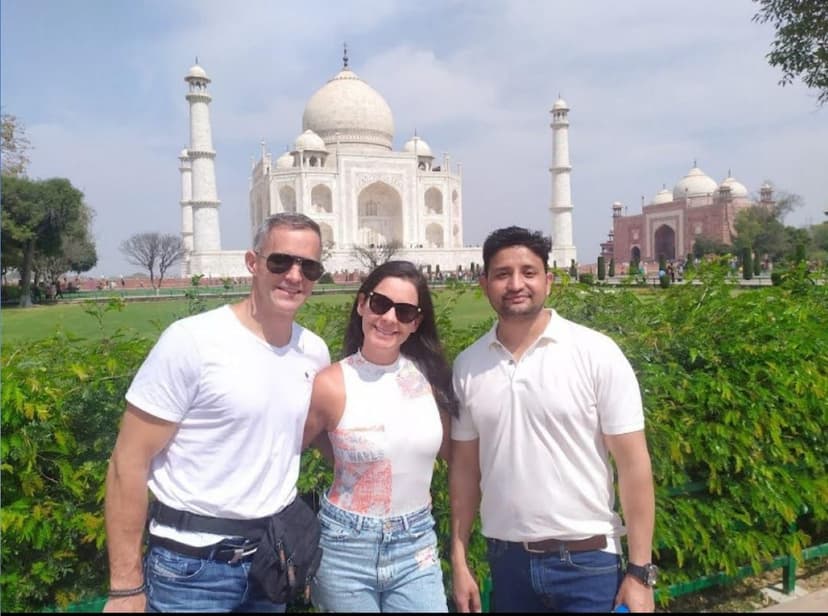
Same Day Taj Mahal Tour by Car from Delhi – Private Agra Day Trip
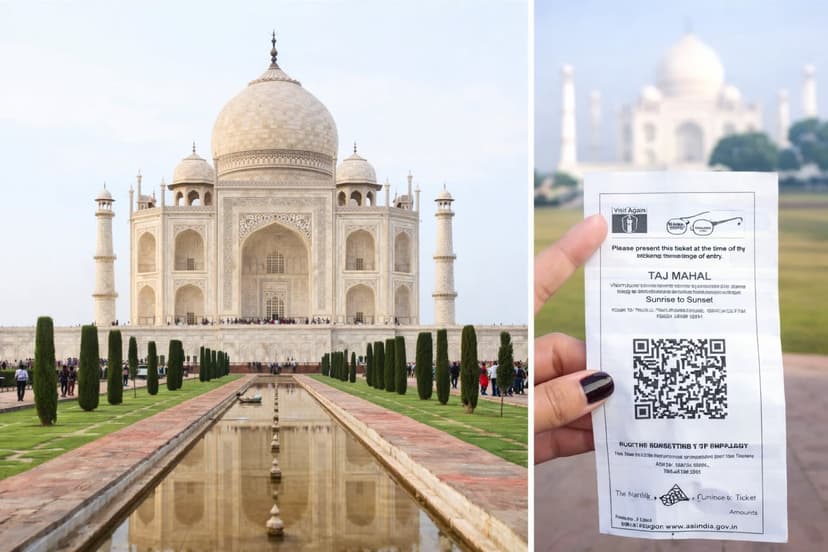
Taj Mahal Entry Ticket 2026 – Skip-the-Line Official Admission for Foreigners
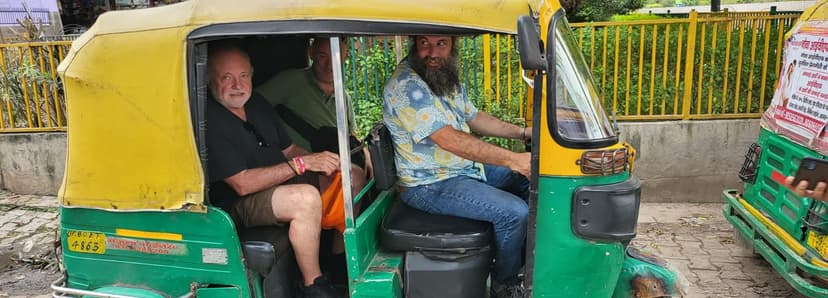
Agra: Street Food Walking Tour, Spice Market with Tuk-Tuk Ride

Taj Mahal & Agra Fort Guided Tour
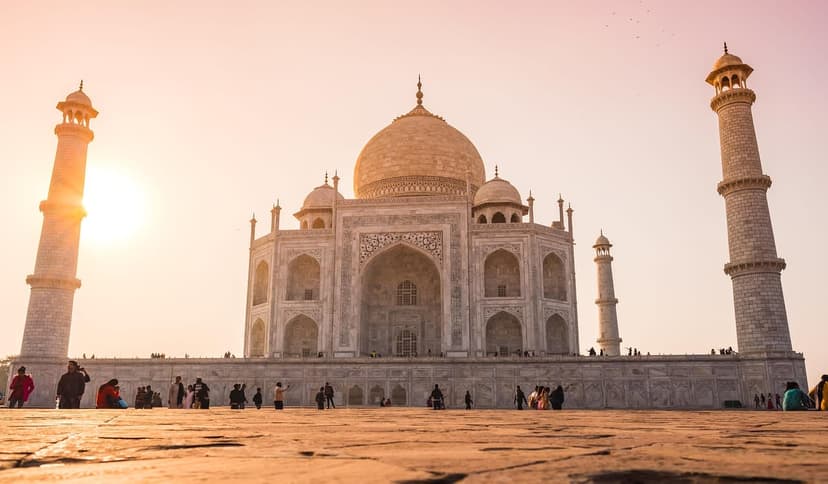
Book Official tour Guide for Taj mahal and Agra fort

Taj Mahal & Agra Overnight Tour from Delhi by Private Car

Taj Mahal Sunrise/Day tour by Car from Delhi
Hidden Gems of Agra Heritage Tour
Private Taj Mahal Sunrise & Royal Agra Fort Experience

Agra Cooking Classes

Same Day Delhi To Agra

From Agra: Taj Mahal, Mathura & Vrindavan Day Trip | Private Guided Tour

Taj Mahal & Agra Private Day Tour With 5* Lunch

Same Day Taj Mahal Tour By Gatiman Express Train

Same Day Taj Mahal & Fatehpur Sikri Tour from Delhi by Private Car
Our Most Recommended Things to Do in Agra
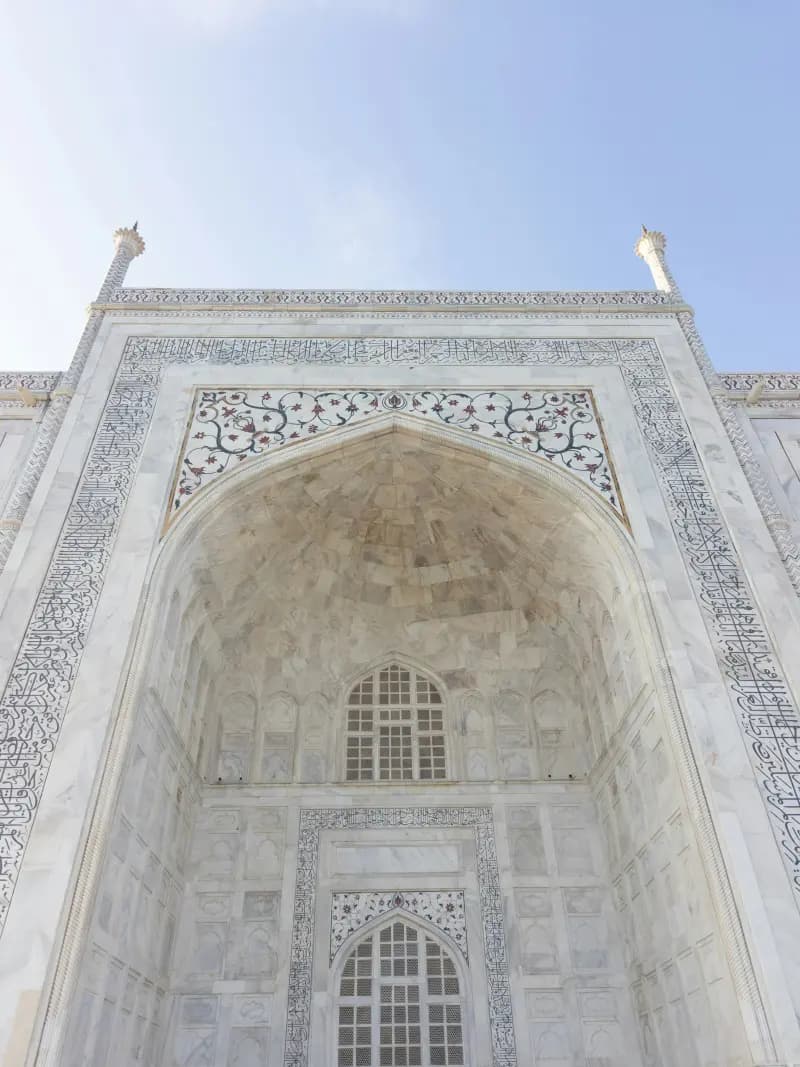
From Delhi: Taj Mahal & Agra Private Day Trip with Transfers
Begins your tour with the pickup from your hotel/airport in Delhi/Noida/Gurugram and depart to Agra. Meet your private guide when you arrive in Agra and proceed to the Taj Mahal, a UNESCO World Heritage Site and a living monument, which silently whispers the love of legendary Mughal emperor Shah Jahan for his beloved wife Mumtaz Mahal.
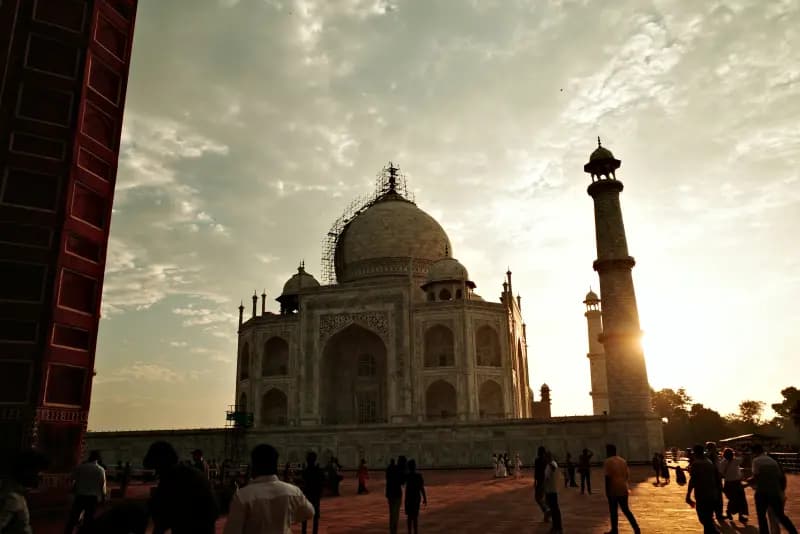
From Delhi: Private Taj Mahal and Agra Day Tour with 5* Meal
Experience a premium Private Taj Mahal and Agra Day Tour from Delhi, thoughtfully designed for comfort, flexibility, and unforgettable experiences. Includes a private chauffeur pick-up from Delhi in an air-conditioned car.
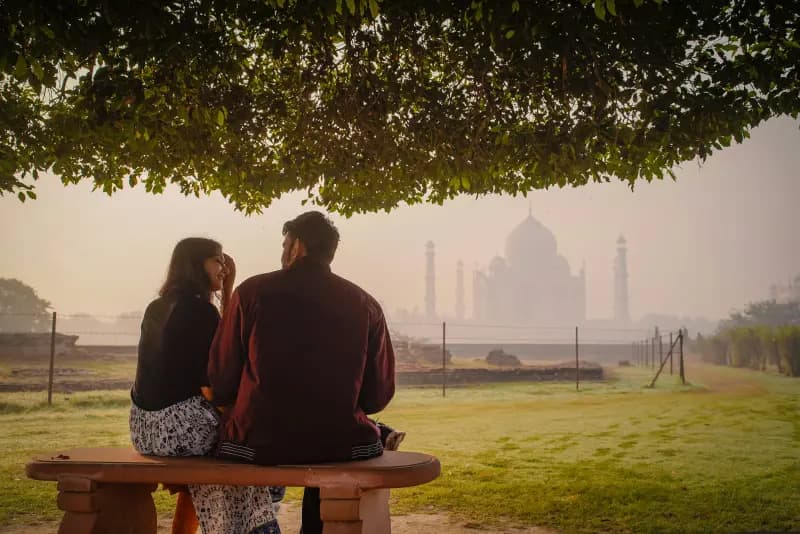
Book Official Tour Guide for Taj Mahal (ASI Licensed)
Secure a professional, Ministry of Tourism licensed guide for your Taj Mahal visit. Deep dive into Mughal history, architecture, and the hidden stories of the Taj.
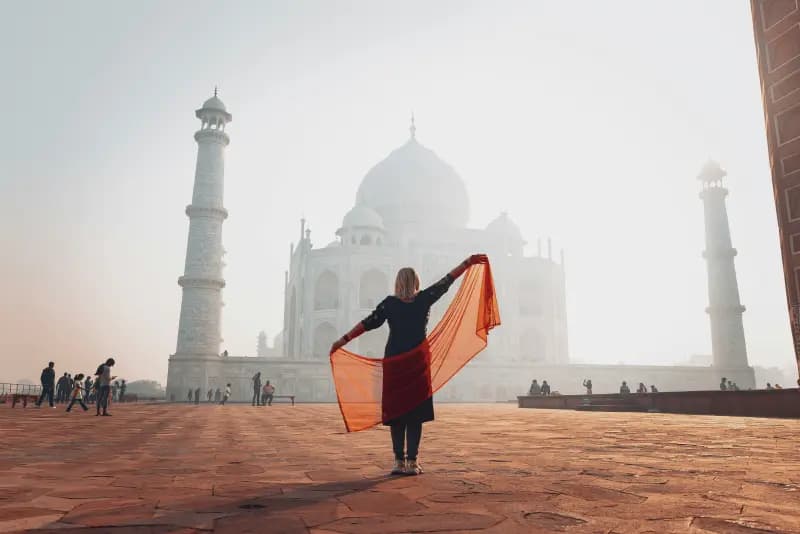
Skip-The-Line Taj Mahal Sunrise Tour With Guide
Tour begins with a pick up from hotel/airport or any requested location in Agra city, meet with tour guide and proceed to visit Taj Mahal with an express entry ticket and discover the marble mausoleum of the Taj Mahal in Agra at your own pace.
Taj Mahal Entry Ticket 2026 – Skip the Line
Official digital entry tickets for the Taj Mahal and Agra Fort. Skip the long ticket-window queues and enter directly through the security gates.

Agra: Taj Mahal & Agra Fort Private Tour with Female Guide
Experience the Taj Mahal and Agra Fort with a licensed local female guide. Perfect for families and solo female travelers seeking a unique perspective on India's history and culture.

Book Tour Guide for Fatehpur Sikri Visit
Explore the 16th-century "Ghost City" of Fatehpur Sikri with a professional local guide. Discover the architecture and legends of Emperor Akbar's former capital.
Why Book Agra Tours with Local Guides?
- Licensed & experienced local experts
- Cultural and historical context you won't find in guidebooks
- Ethical, small-group experiences
- Direct support to local communities
Top Attractions Covered in Agra Tours
Best Time to Visit Agra
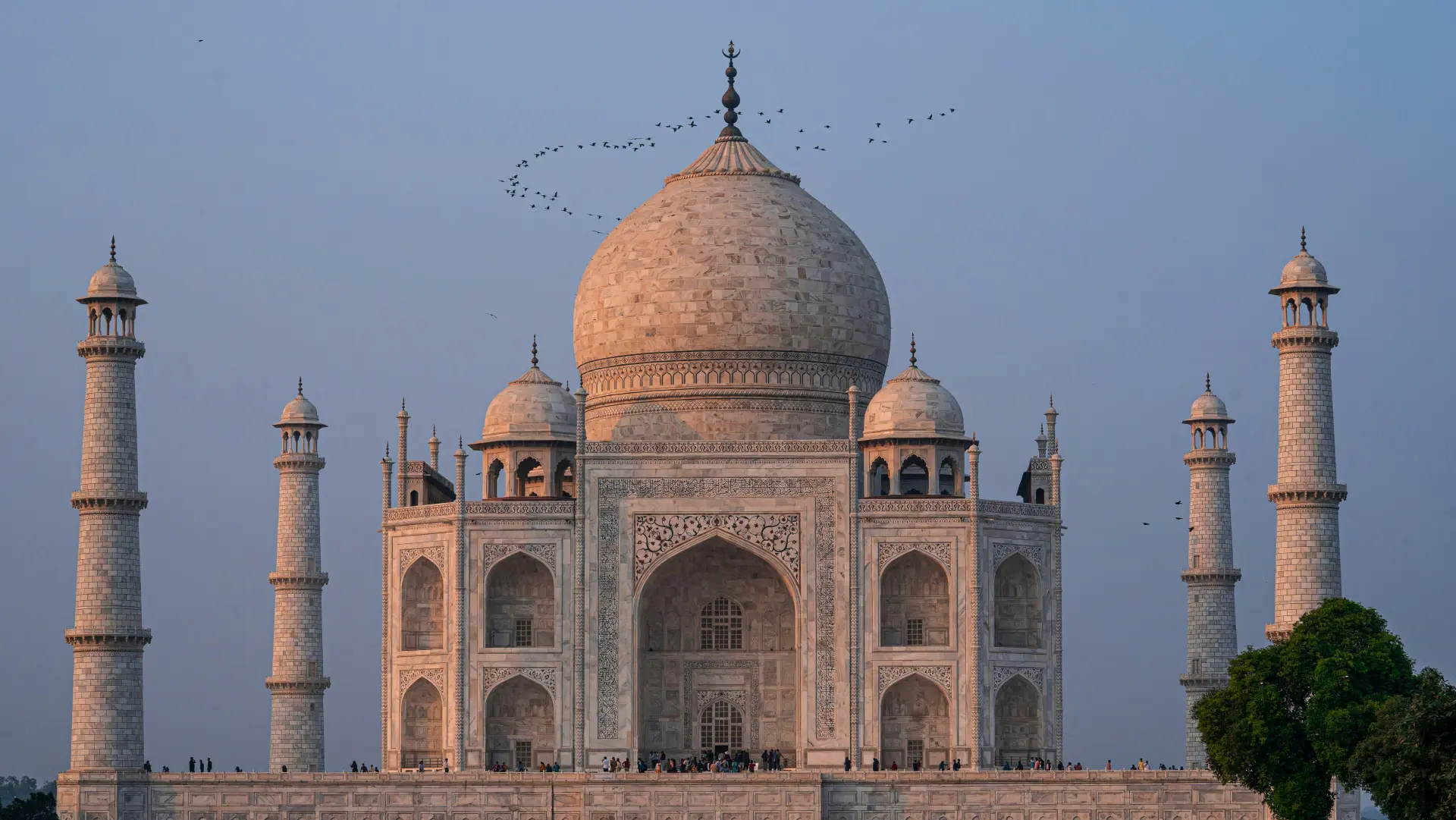
The best time to visit Agra is from October to March when the weather is pleasant. Early mornings are highly recommended, especially for sunrise Taj Mahal tours when the monument glows in golden light and crowds are minimal.
Everything You Need to Know Before Visiting Agra


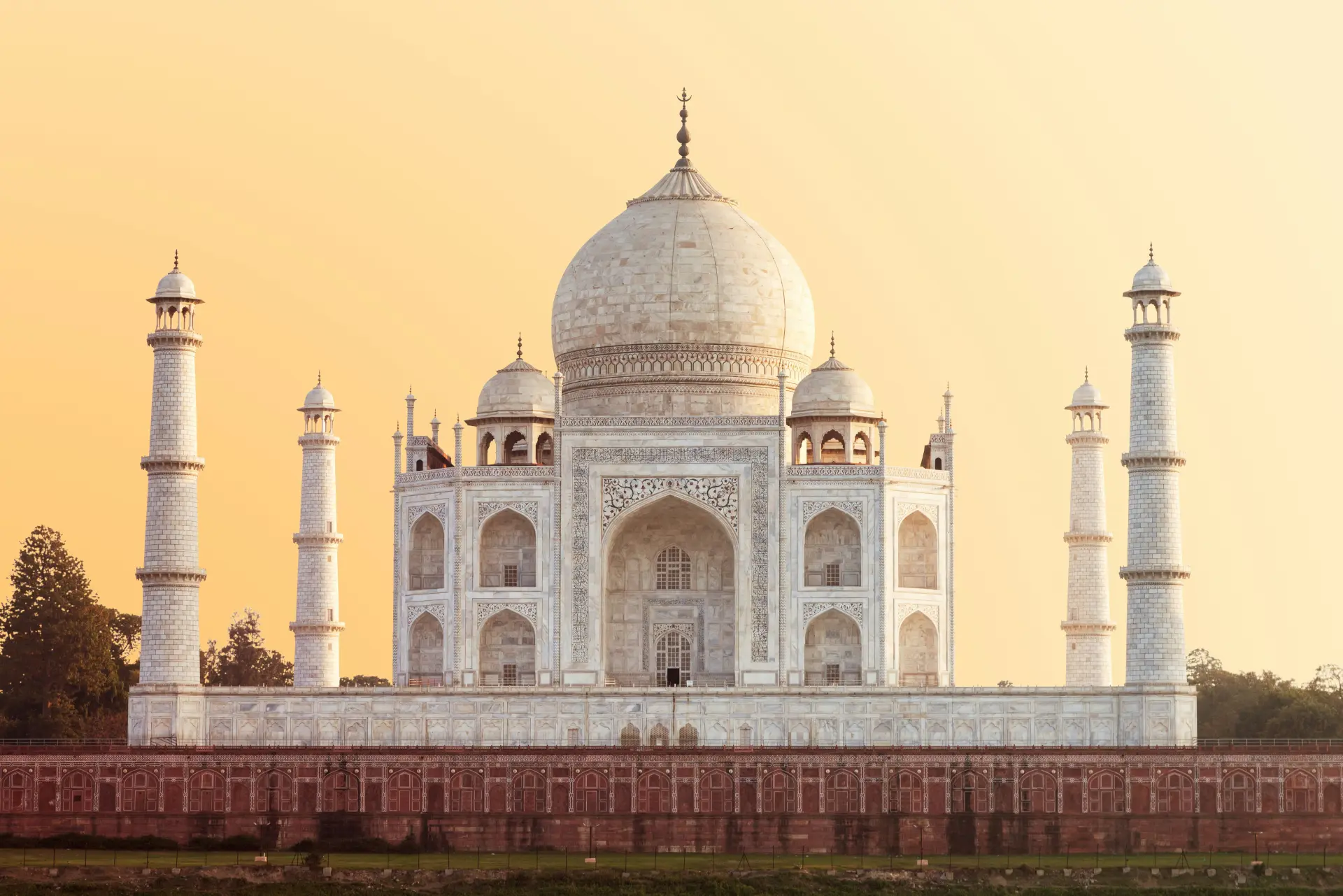

Your Agra itinerary is waiting
Receive a curated 48-hour itinerary featuring the most iconic experiences in Agra, straight to your inbox.
By signing up, you agree to receive promotional emails on activities and insider tips. You can unsubscribe or withdraw your consent at any time with future effect. For more information, read our Privacy statement.
FAQs About Agra Tours
How long does a Taj Mahal visit take?
A comprehensive visit to the Taj Mahal typically requires between 2.5 to 3 hours of on-site exploration. This timeframe accounts for the mandatory security screening at the gates (which can vary depending on your arrival time), a guided walk through the Charbagh gardens, and a detailed tour of the main mausoleum platform. If your itinerary includes a 'Skip-The-Line' entry, you effectively bypass the manual ticket queues, but the internal distance of the complex still necessitates significant walking. For enthusiasts interested in photography or the intricate marble inlay work (Pietra Dura), we recommend allowing for the full 3 hours to capture the monument as the light transitions, particularly during the ethereal sunrise or sunset windows.
Is Taj Mahal closed on Friday?
Yes, the Taj Mahal is strictly closed to the general public every Friday. This weekly closure is mandatory as the monument remains an active place of worship, with the mosque on the western side hosting afternoon prayers for local residents. It is a common traveler error to arrive in Agra on a Friday expecting a tour; instead, we recommend utilizing this day to visit the Agra Fort, the Itmad-ud-Daulah (Baby Taj), or the Mehtab Bagh across the river, which offers a stunning sunset view of the Taj's rear facade. The monument resumes its dawn-to-dusk operations every Saturday morning, often seeing a surge in visitors immediately following the Friday hiatus.
Can I visit the Taj Mahal at night?
Taj Mahal night viewing is a rare and highly regulated experience, permitted only for 5 nights each month—specifically on the full moon night and the two nights preceding and following it. However, if any of these dates fall on a Friday or during the month of Ramadan, night entry is prohibited. Tickets are extremely limited (capped at 400 people per night) and must be purchased exactly 24 hours in advance from the ASI office. The visit is divided into eight batches of 50 people, each lasting 30 minutes. While you cannot walk up to the main platform at night, viewing the moonlit white marble from the red sandstone platforms is a bucket-list experience. Check our night viewing guide for tactical booking advice.
Is tripod allowed inside the Taj Mahal?
For security and preservation reasons, the Archaeological Survey of India (ASI) strictly prohibits the use of tripods, monopods, or any specialized professional videography equipment inside the Taj Mahal complex without a pre-approved commercial permit from the New Delhi headquarters. Handheld photography with standard DSLR cameras and smartphones is perfectly acceptable and encouraged. If you are a professional photographer looking to capture symmetrical long-exposures, we recommend visiting the Mehtab Bagh (Moonlight Garden) located directly across the Yamuna River. There, security is slightly less restrictive regarding gear, and you can achieve perfectly centered shots of the monument reflecting in the water during the 'blue hour' without the logistical hurdles of the main complex security checks.
Is a passport required for entry?
Yes, carrying your original physical passport is a foundational requirement for all international visitors entering the Taj Mahal. While the digital ticket on your smartphone is sufficient for the turnstiles, the Central Industrial Security Force (CISF) personnel conduct random identification audits to ensure the ticket holder's identity matches the document used during the booking process. Indian nationals should carry an original Aadhaar card or Voter ID. In addition to identification, be prepared for an airport-style security check where items like drones, tobacco products, lighters, and large backpacks are prohibited. Carrying only a small daypack with your camera, phone, and original ID is the most tactical way to ensure a seamless and rapid entry through the gates.
Are sunrise tours worth it?
Yes — sunrise is widely considered the best time to visit the Taj Mahal. See our detailed timing guide for the best strategy. The marble glows softly in golden morning light, temperatures are cooler, and crowd levels are significantly lower. Photographers especially prefer sunrise for better symmetry shots and mist effects in winter.
How crowded is the Taj Mahal in winter?
Winter (November–February) is peak season. The monument can get crowded after 9:30 AM, especially on weekends. Early morning visits help avoid congestion. Fog is common in December and January mornings, sometimes delaying visibility but also creating atmospheric photography conditions. Plan with our winter travel guide for more tips.
Is Agra Fort included in most tours?
Most half-day and full-day Agra tours include both the Taj Mahal and Agra Fort. Agra Fort offers important historical context about the Mughal Empire and provides one of the best distant views of the Taj Mahal from its balconies.
Safety & Practical Tips: Is Agra safe for solo travelers?
Agra is generally safe for tourists, including solo and female travelers, especially within monument and hotel zones. Like any major tourist city, awareness is important. Booking verified guides, avoiding isolated areas at night, and using trusted transport ensures a comfortable experience.
How can I avoid scams in Agra?
Purchase tickets only from official counters or verified online platforms like our digital ticket service. Avoid strangers claiming monuments are “closed today” or offering special discounted access. Use licensed guides and pre-arranged transportation. Most issues arise from unsolicited street offers, which are easy to avoid by politely declining.
What are “lapka” touts?
“Lapka” is a local term used for aggressive touts who approach tourists offering unofficial guide services or discounted tickets. They are common near major attractions. It is best to ignore unsolicited offers and rely only on licensed professionals.
Is tap water safe in Agra?
No, tap water is not recommended for drinking. Bottled mineral water is widely available and inexpensive. Hotels typically provide filtered water. Travelers should also avoid ice in unknown establishments. See our local survival tips for more health advice.
Do I need cash in Agra?
While many hotels and larger restaurants accept cards, small shops, street vendors, and local markets often prefer cash. Carry small denominations of Indian Rupees for convenience. Note that entry tickets are now digital only and cannot be bought with cash at the gates.
Are cows common on the streets?
Yes, cows are occasionally seen walking freely in certain parts of Agra, especially older neighborhoods. They are generally calm and traffic naturally adjusts around them. Visitors should not feed or disturb them.
Food & Local Experience: What local food should I try in Agra?
Agra is known for Mughlai cuisine, rich gravies, and traditional sweets. Try petha (a famous local sweet), bedai with aloo sabzi for breakfast, and kebabs influenced by Mughal heritage. The old city area offers authentic flavors.
Where can I try Keeme ki Kachori?
Keeme ki Kachori is a local delicacy consisting of crispy fried puffs stuffed with spiced minced buff meat—it’s a must-try for any visitor. The best spot for this is open early in the morning and is located right next to Joney's Place in Tajganj. Arrive early (between 6:00 AM and 9:00 AM) to ensure you get them fresh before they sell out.
Is street food safe in Agra?
Street food is generally safe if you choose popular, busy vendors. Freshly cooked items served hot are safer options. Avoid raw salads and cut fruits from unknown stalls. Many travelers enjoy street snacks without issues when taking basic precautions.
Are vegetarian options widely available?
Yes. Agra has abundant vegetarian options due to cultural and religious influences. Most restaurants clearly mark vegetarian dishes, and many are fully vegetarian establishments.
What is Agra famous for besides the Taj Mahal?
Beyond the Taj Mahal, Agra is known for Agra Fort, Mehtab Bagh sunset views, marble inlay craftsmanship, leather goods, and Mughlai cuisine. The city holds deep historical importance from the Mughal period.
Weather & Planning: What is the best month to visit Agra?
October to March is the most comfortable period, with pleasant temperatures and clearer skies. Winter mornings can be foggy, especially in December and January.
How hot does Agra get in summer?
From April to June, temperatures can exceed 40°C (104°F). Morning tours are strongly recommended during summer months. Light cotton clothing, sunglasses, sunscreen, and hydration are essential.
Does it fog in winter?
Yes, dense fog is common in December and January mornings. Visibility can sometimes delay sunrise photography but usually clears by mid-morning.
How is traffic in Agra?
Traffic can be moderate to heavy near major monuments during peak season. The Taj Mahal area uses designated parking zones and electric shuttle vehicles to reduce pollution.
How many days are enough for Agra?
One full day is enough to see the Taj Mahal and Agra Fort. Check out our 1-day precision itinerary to maximize your time. Two days allow for Mehtab Bagh, Itmad-ud-Daulah (Baby Taj), and a relaxed exploration of local markets and cuisine.
What are the travel options from Delhi to Agra?
Travelers can reach Agra from Delhi by train (Gatimaan Express is fastest), private car (3–4 hours via Yamuna Expressway), or guided day tour. See our pricing guide for transport and entry fees. Private transport offers flexibility, while trains are efficient for short visits.